
Samueli Foundation Selects 6 UCI-UCLA Engineering Collaborative Grants
April 14, 2026 – The Samueli Foundation has funded another round of the UCLA–UC Irvine Collaborative Grants Program. Established in 2024, the initiative pulls together faculty from both Samueli Schools of Engineering and is designed to deepen cross-campus partnerships and accelerate high-impact research.
Building on the momentum of the 2024 awards, this year’s program encourages ambitious, high-risk ideas under the theme “100× Multipliers.” The intent is to inspire exploratory, proof-of-concept projects that combine analysis, design and initial experimental demonstrations capable of positioning UCI–UCLA collaborative teams for future extramural research funding from federal agencies, foundations and industry.
“From reimagining how we trust artificial intelligence to unlocking the hidden workings of satellite networks, accelerating life-saving medical imaging, and enabling swarms of autonomous machines to operate at unprecedented scale, this year's cohort reflects the remarkable breadth of what becomes possible when two world-class engineering schools work as one,” said Andre Shkel, UCI associate dean of research and innovation.
Here are the newly funded early career faculty collaborations.
Maxim Radikovich Shcherbakov (UCI), Md Shafayat Hossain (UCLA)
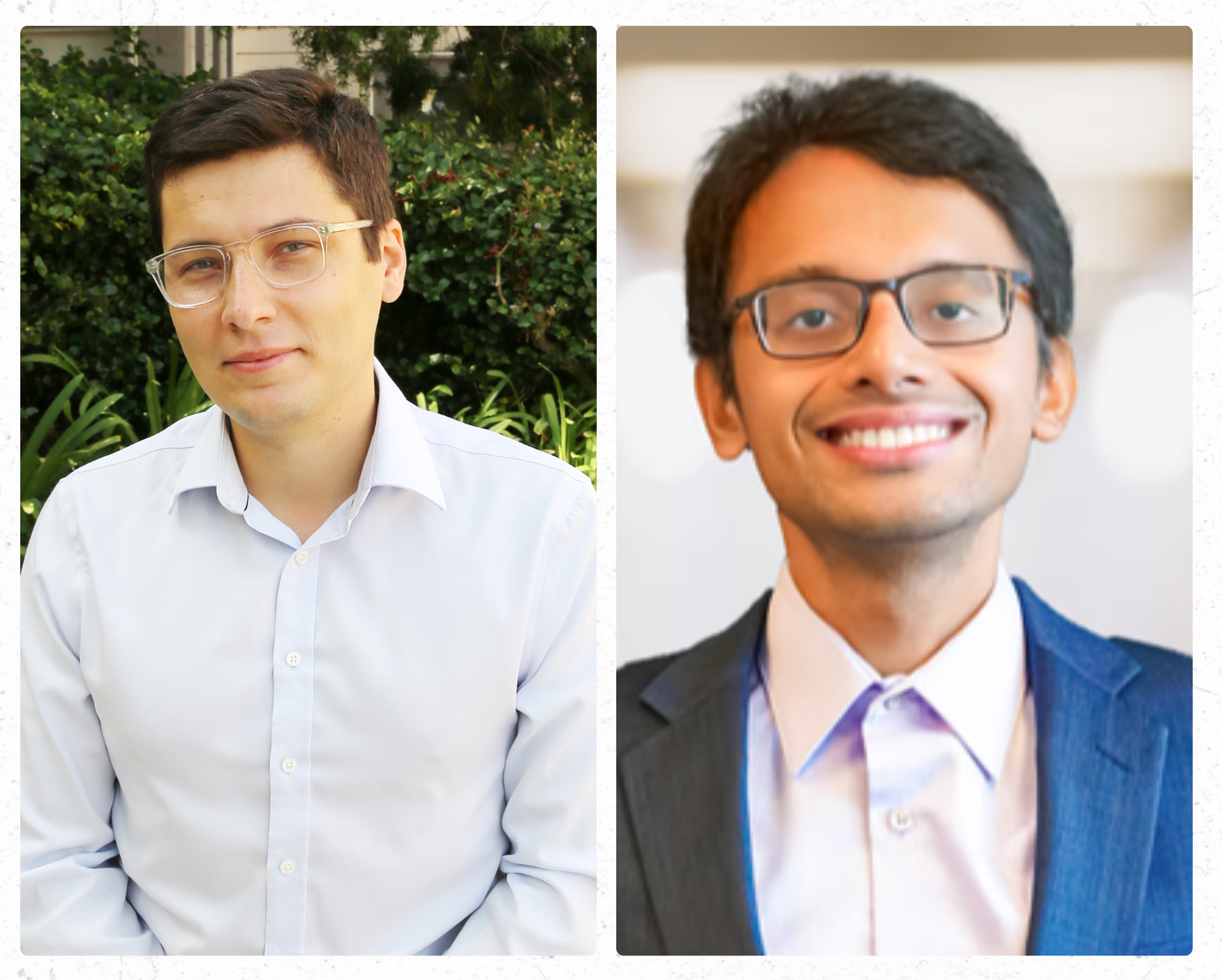
Assistant Professors Maxim Shcherbakov, electrical engineering and computer science, and Md Shafayat Hossain, materials science and engineering, are developing a new kind of light detector that can sense the handedness, or circular polarization, of light without requiring an external power source. Today's detectors that can do this are bulky, power-hungry and impractical for compact devices. By layering specially engineered nano-scale surfaces called chiral metasurfaces onto advanced quantum materials, the team aims to amplify the electrical signal produced by polarized light by up to 100 times all within a small, chip-compatible design. If successful, this technology could transform how light-based information is processed in applications ranging from augmented reality and infrared sensing to ultrafast communications and quantum computing.
Fei Xia (UCI), Liang Gao (UCLA)
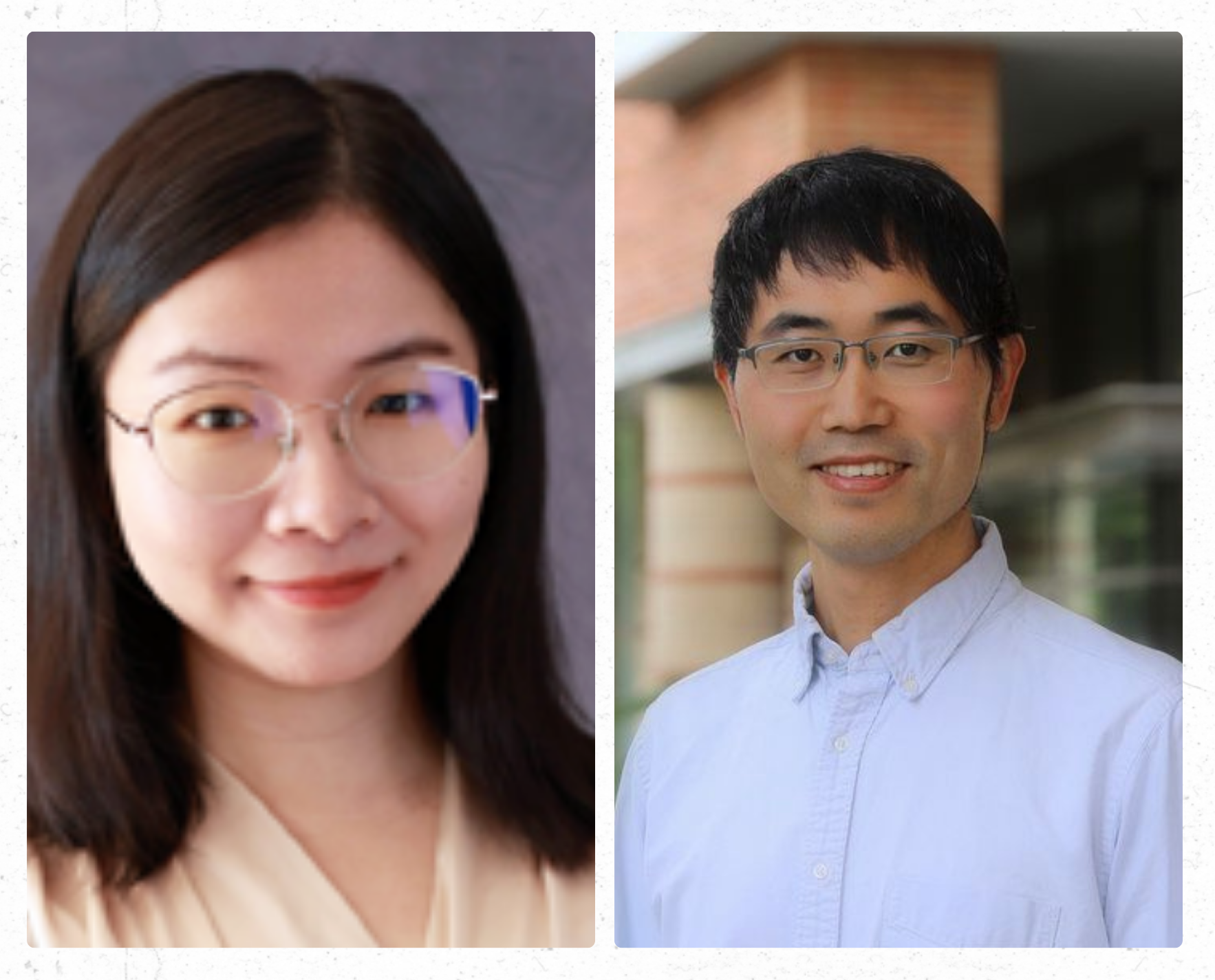
Fei Xia, assistant professor of electrical engineering and computer science, and Liang Gao, associate professor of bioengineering, are working together to dramatically speed up how scientists capture 3D images of living tissue. Today's best microscopes can only capture about one 3D image per second of deep tissue, which is far too slow to observe rapid biological events like brain activity or immune responses in real time. By combining a cutting-edge optical technique called squeezed light-field microscopy with advanced computational algorithms, the researchers aim to achieve imaging speeds of over 1,000 frames per second — a leap of 100 to 1,000 times faster than current technology. If successful, this could unlock entirely new discoveries in neuroscience, cancer biology and beyond, enabling scientists to observe biological processes in living tissue that were previously impossible to capture.
Athina Markopoulou (UCI), Liz Izhikevich (UCLA)
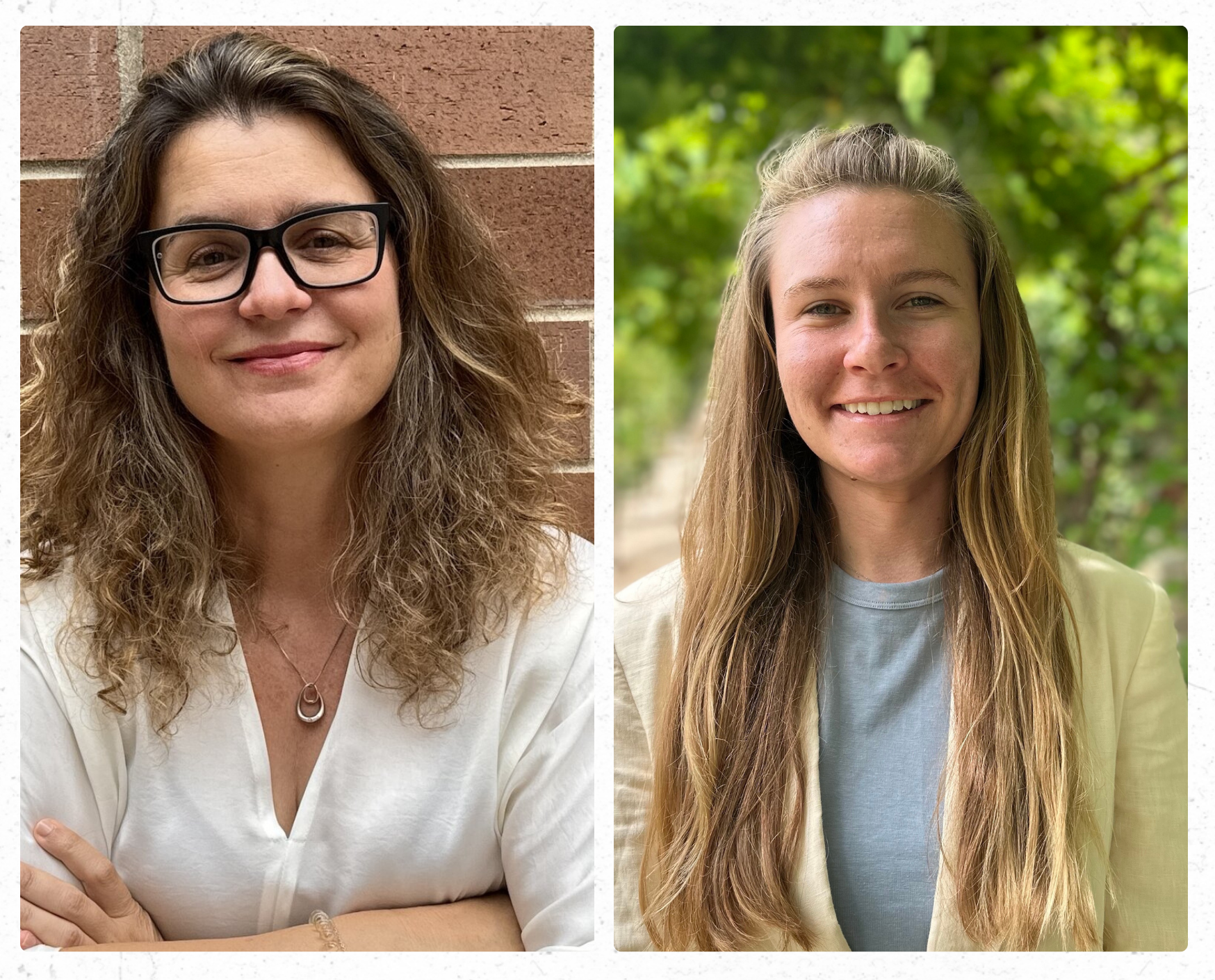
Electrical engineering and computer science Professor Athina Markopoulou and electrical and computer engineering Assistant Professor Liz Izhikevich are working to shed light on how low-Earth orbit satellite networks like Starlink operate — something that is largely invisible to the public today, raising serious concerns around performance, security and national sovereignty. Using a technique called network tomography, they plan to scale from a single measurement point to 100 geographically distributed locations, giving researchers up to 100 times more visibility into how satellite traffic is routed, where slowdowns occur and when outages happen. This work could benefit defense organizations, businesses and everyday users alike, and may even pressure private companies like SpaceX to be more transparent about how their networks operate.
Camilo Velez Cuervo (UCI), Tyler Clites (UCLA)
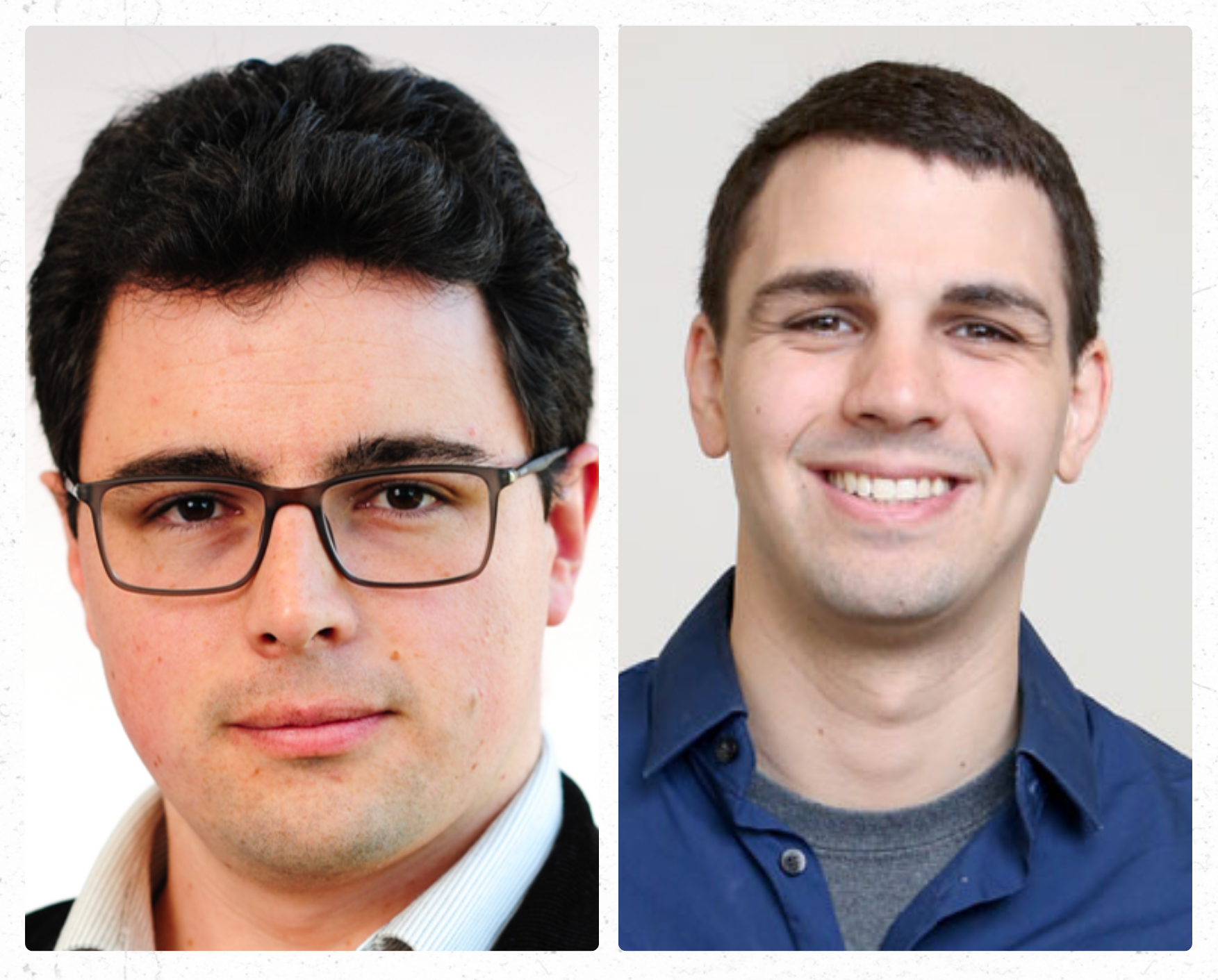
Assistant Professors Camilo Velez Cuervo, mechanical and aerospace engineering, and Tyler Clites, mechanical and aerospace engineering and bioengineering, are working to revolutionize how doctors and researchers record electrical activity in the body. Current technology is limited in how many signals it can capture at once, but their new approach, called Resonant Electrophysiology, could capture up to 100 times more data by transmitting thousands of electrode signals along a single wire. This breakthrough could allow scientists to map electrical activity in the body in three dimensions, opening new possibilities for diagnosing and treating conditions like epilepsy, arrhythmia and stroke.
Solmaz Kia (UCI), Shahriar Talebi (UCLA)
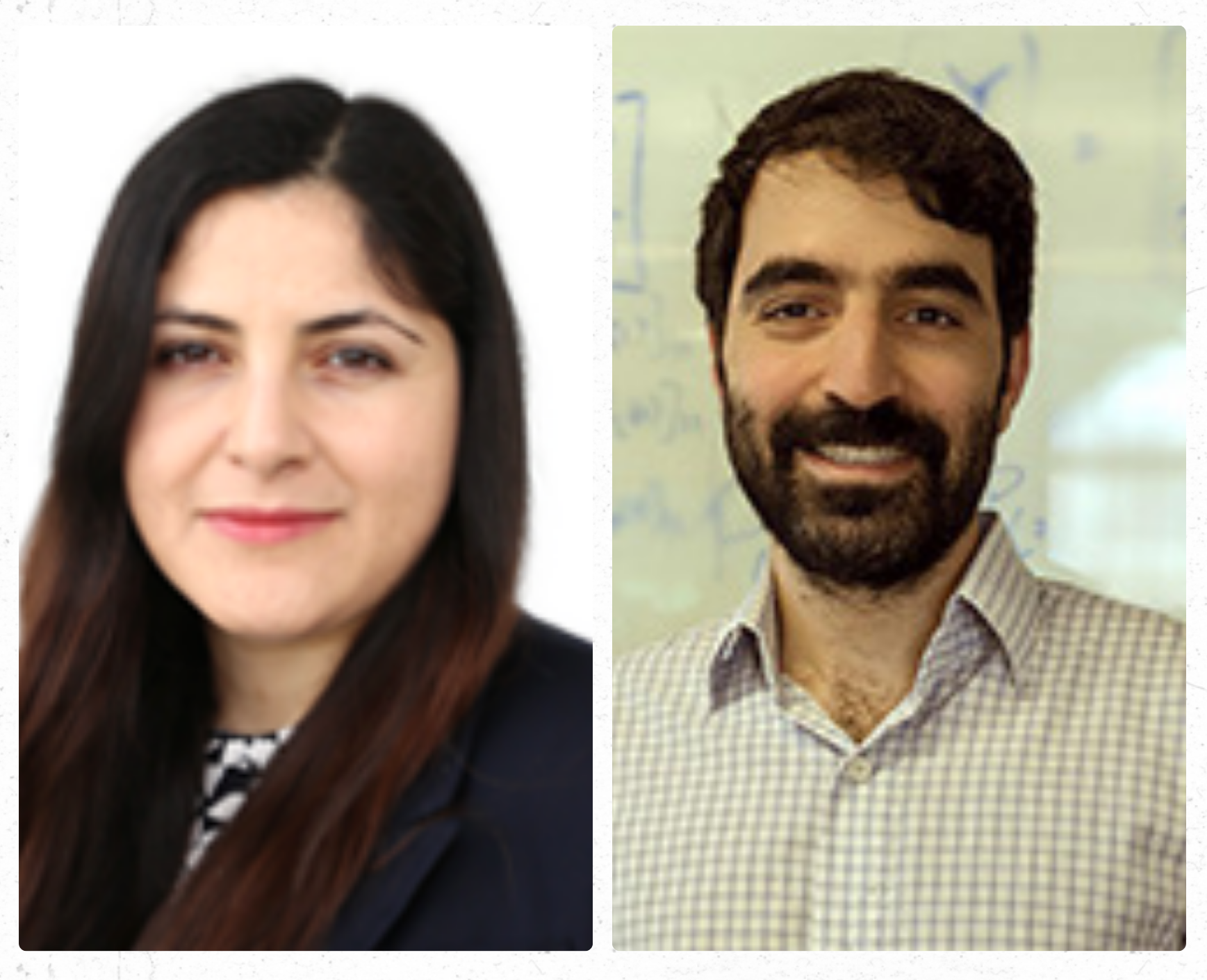
Mechanical and aerospace engineering Professor Solmaz Kia and Assistant Professor Shahriar Talebi are working to solve one of the biggest challenges in large-scale autonomous systems: how to get thousands of drones or robots to learn and adapt together in real time without overwhelming communication networks, leaking sensitive data, or requiring too many trial runs. Today's systems face a fundamental problem: controlling a swarm of 10,000 drones in unpredictable environments requires constant learning, but sharing the data needed to do that is too slow, too risky, and too costly. Their solution reduces the information each agent needs to share down to a single number — a dramatic compression that they aim to prove still allows the entire swarm to learn safely and effectively. If successful, this framework could enable real-world applications like drone swarms responding to wildfires, robot fleets assisting in disaster relief, and autonomous vehicles operating in contested environments all at a scale previously thought impossible.
Yasser Shoukry and Yanning Shen (UCI), Quanquan Gu (UCLA)
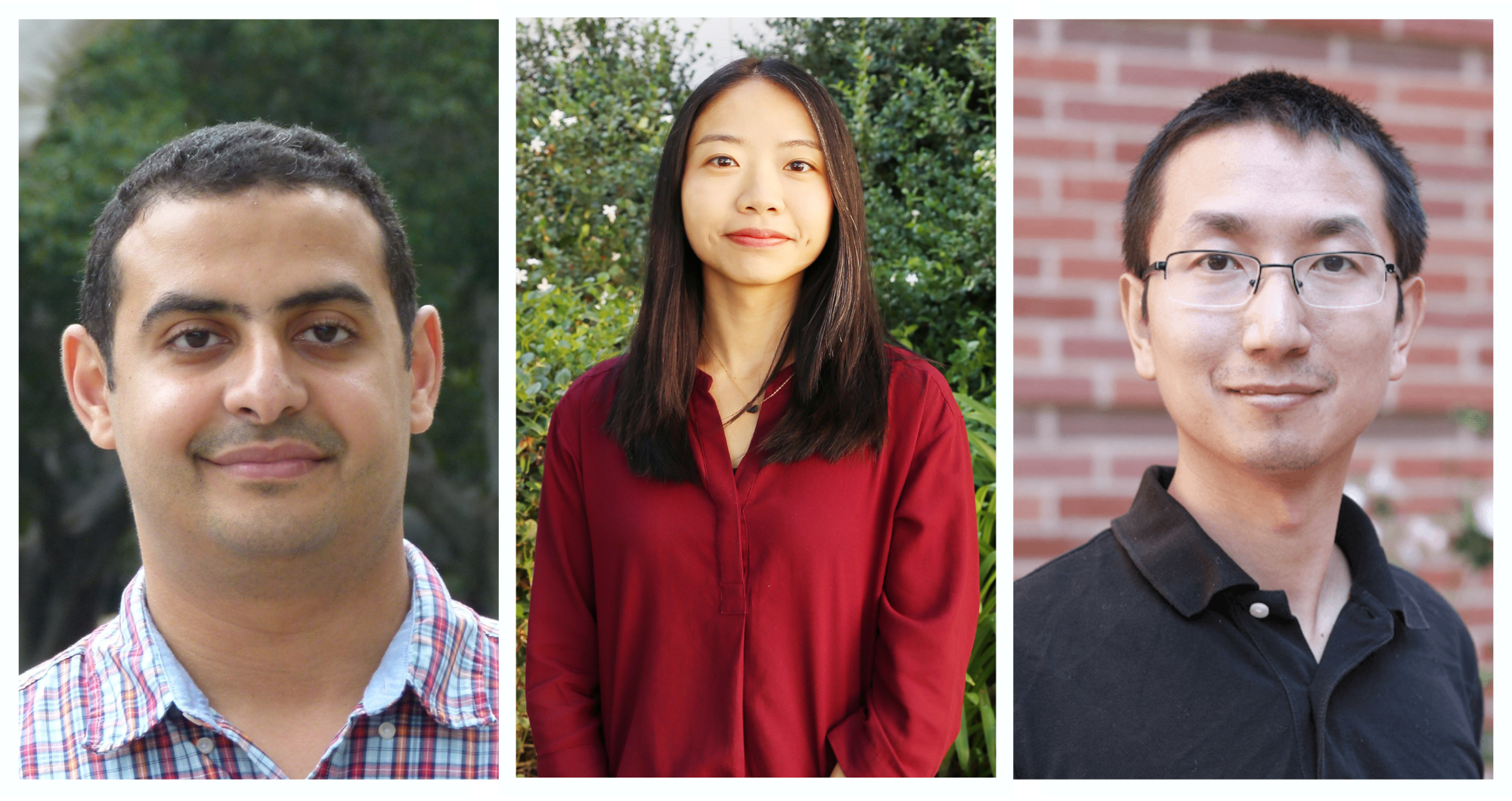
Associate Professors Yasser Shoukry and Yanning Shen, both in electrical engineering and computer science, along with Associate Professor of computer science Quanquian Gu will co-lead a two-part collaborative workshop on “Engineering Trust: Toward a UCI-UCLA Roadmap for Transformative Trustworthy AI.” The workshops directly responds to one of the most pressing challenges in modern AI, the growing gap between strong performance in controlled settings and profound unreliability in real-world, high-stakes applications such as health care, autonomous systems and finance. Phenomena like AI hallucinations — plausible but factually incorrect outputs — continue to erode public and institutional trust, creating a systemic barrier to AI’s transformative societal potential.
– Emily Mae Gong
