
Q&A: Creator of Safest Football Helmet and Cleanest Cookstove Jonathan Posner
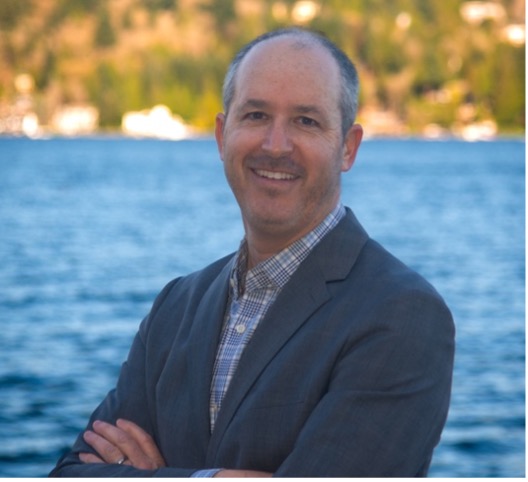
July 10, 2026 - Jonathan Posner Ph.D ’01, B.S.’95, designed the world’s safest football helmet and most efficient natural draft portable wood stove, which has helped millions enjoy safer cooking in East Africa. He is a professor of mechanical engineering and chemical engineering at University of Washington and an adjunct professor of medicine. He also founded and led the Engineering Innovation in Health program at University of Washington where engineering students create technical solutions for health needs. Posner was just inducted into the 2026 UCI Engineering Hall of Fame.
What got you interested in engineering?
My dad was an electrical engineer. Emeritus Professor John LaRue invited me to tour his lab. I was impressed and worked there for two years. I got interested in flow visualization. You’ve seen this on BMW commercials where lasers and smoke show the way air flows. It’s a mixture of art and science that looks really cool. Emeritus Professor Derek Dunn-Rankin (DDR) had a laser lab that did flow visualization so I did research there.
What were some memorable experiences in your educational journey?
When DDR took a sabbatical, I took one too as a grad student which was unheard of, at the Von Karman Institute in Belgium, which is dedicated to fluid mechanics. I asked if I could do research there. They said no, but two weeks before the fall semester, a researcher cancelled so they invited me. I met people from every NATO country. It changed my life. I won the Von Karman for Experimental Research Prize and stayed for another year. It made me truly love research and realize I was very good at it. I’m very tenacious. I’ve always been someone who swims upstream. If there’s a sign that says “Do not enter,” I enter. So that’s defined me as a person and my career.
One of the papers I published at UCI focused on the movement of air in indoor spaces, which at the time no one cared about. But think about COVID and how much we cared about how air moved about in rooms. That paper ended up being a seminal paper and the most cited original research paper DDR ever co-authored.
What was the best part of your experience at UCI?
I was a varsity athlete on the sailing team so I felt very connected to campus. When it comes to engineering, the professors at UCI truly value their students. There was just a certain level of camaraderie and they held you in the right place. Between that, being a varsity athlete and living on the beach, it made me who I am. It brought me from where I didn’t know what I wanted to study to having enough courage and confidence to go out in the world and compete at the highest level.
How did you get inspired to make a safer football helmet?
There was a neurosurgeon for the Seattle Seahawks who had seen a lot of players get concussions. He went to our department chair, Per Reinhall, and wanted to create a safer helmet. Per and I live on Lake Washington. I walked over to his home and we basically invented the helmet in his living room.
Why is it safer than other helmets?
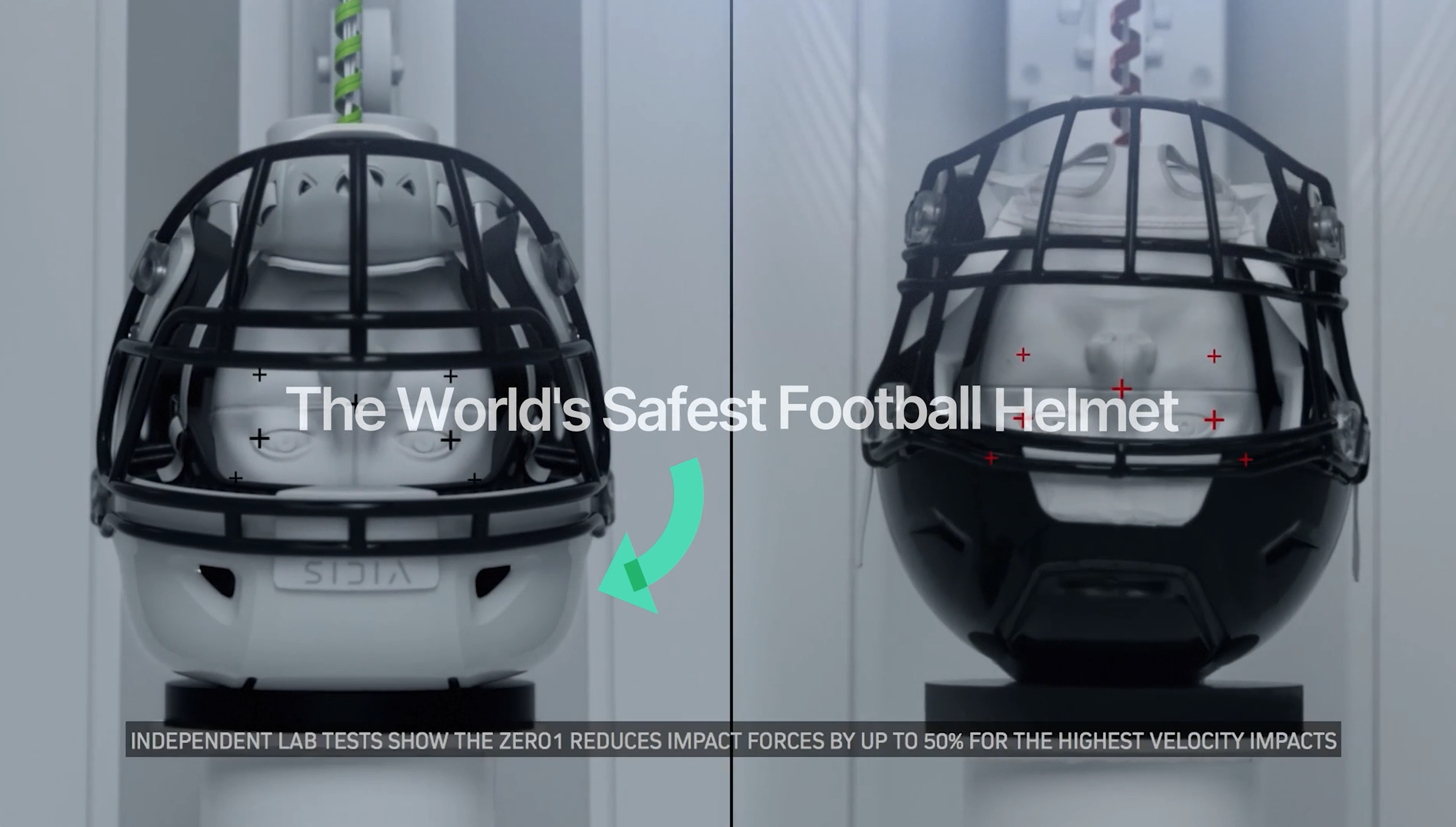
The concept is that it’s like a car bumper that just deforms when you hit it. Normal football helmets are hard on the outside, and the more you squeeze a football helmet, the harder it gets. The concept that Per and I came up with is a soft outer shell and an impact absorbing material that actually softens as you impact it. It’s like a car bumper that’s soft on the outside and gets softer as you compress it, like a crumple zone.
You won an UW School of Medicine 2016 Inventor of the Year Award. What is the key to innovation?
I think that being innovative is just first identifying a problem that needs to be solved, looking at how people approach it now, and then throwing all that away and asking: how should the problem actually be solved?
How did you get inspired to design the world’s most fuel-efficient charcoal stove?
There’s a nonprofit called Burn Design Lab started by Peter Scott that was looking for summer interns for clean cooking. I called to ask what it was about and we talked for three and a half hours. Half the world’s population cooks with open flames and it causes the death of women and children. They have to travel far to collect wood. They die of cancer, lung disease, pneumonia and this problem is also causing deforestation and impacting global warming. At the time, engineers had not been involved in designing cookstoves. I had the engineering and scientific knowledge to make better stoves so I told him we’d do something great together.
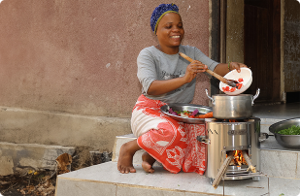
Our team was awarded a $1 million grant from the Department of Energy to work on this, the largest grant ever to work on cookstoves, and we developed an ultra-clean stove. It reduced the wood you need by half and smoke emissions by a factor of ten. That stove is called the Kuniokoa (now called Ecoa Wood), which means “wood saver” in Swahili. They’ve sold millions in Africa and they build 250,000 of them a month. Most of the factory workers are Kenyan women so it created jobs too. It is the most impactful thing I’ve ever worked on.
What did you learn most at UCI?
What I learned most from DDR is that academic research is a creative enterprise. If you can think of it, get it funded and publish it, it’s yours. As long as you’re fulfilling this mission of training students and creating something of value for society, it’s yours. There are no limits.
Any advice for students today?
This is the same advice that I gave my own son. When you go to college, you have no idea what is interesting to you and where you can make a difference. The only way to find out is to step up and try. For me that was John LaRue saying, “Hey why don’t you come check out the lab?” and me just saying “Yes.” Practice saying “Yes.” It could completely transform your life.
- Natalie Tso
